NSYNC Choreographer Sues Over Fortnite Dance: Legal Battle Breakdown
NSYNC Choreographer Sues Sony Over Fortnite Dance Use
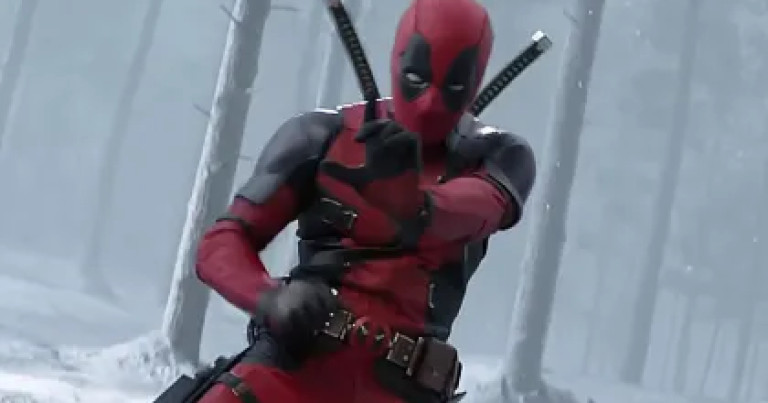
A legal battle is brewing over a popular Fortnite emote. An NSYNC choreographer is suing Sony Music for allegedly licensing his dance moves for use in the game and the upcoming Deadpool & Wolverine movie without permission. This lawsuit raises serious questions about intellectual property in the digital age, especially concerning emotes and dances within Fortnite. We’ll break down the details of the lawsuit, its potential impact on Fortnite, and what it means for the future of in-game content licensing.
NSYNC Choreographer Alleges Copyright Infringement
The lawsuit, filed by an NSYNC choreographer (names withheld for privacy), claims that Sony Music improperly licensed his choreography for use in a Fortnite emote and the Deadpool & Wolverine film. The core of the issue revolves around the rights to the dance moves and whether Sony Music had the authority to license them for commercial use within Fortnite. The choreographer argues that he owns the copyright to the specific dance sequence and that its use in Fortnite constitutes copyright infringement. Key details of the lawsuit include:
- The specific dance move in question is a signature element of an NSYNC performance.
- The choreographer claims he never granted permission for the dance to be used in Fortnite or the movie.
- Sony Music has yet to issue an official statement on the matter.
Impact on Fortnite’s Emote Licensing
This lawsuit could set a precedent for how Fortnite licenses emotes and dances in the future. If the choreographer wins, it could force Epic Games to be more diligent in securing the rights to the content they use in their game. This could potentially increase the cost of emotes and lead to fewer licensed dances being available in the Item Shop.
Community Reactions and Potential Implications
The Fortnite community is closely following the lawsuit, with many expressing concerns about the future of emotes in the game. Some players are worried that this could lead to the removal of popular emotes, while others are calling for Epic Games to be more transparent about their licensing agreements. The potential implications for different ranks of players include:
- Casual players may see fewer new emotes released.
- Competitive players who use emotes for strategic communication could be affected if certain emotes are removed.
- Content creators who feature emotes in their videos may face copyright issues.
Practical tips for players in light of this news: be mindful of the emotes you use in your content and be aware that some emotes may be removed from the game in the future.
Ensuring Peak Performance Amidst Fortnite’s Evolving Landscape
The legal battle surrounding Fortnite emotes highlights the ever-changing nature of the game and its content. While the future of specific emotes remains uncertain, one thing is clear: maintaining a stable and responsive connection is crucial for enjoying the game to its fullest, regardless of the in-game cosmetics available. This is especially true in competitive scenarios.
The Same Technical Advantage as FNCS Pros
In competitive matches, every frame and millisecond counts. It’s no coincidence professional athletes use network optimizers in bootcamps – the difference between perfect routing and standard connection determines who gets the first elim.
NoPing offers this competitive advantage across 3,000+ games: Multi-Path Connection finds the fastest route to Epic servers, while advanced technology eliminates up to 100% of packet loss and jitter, reducing lag by up to 80%. Rubber banding and lag spikes become problems of the past.
Ever thought about ranking up simply by eliminating freezes that cost you matches? Millions of players already made this choice. Start your free 7-day trial.
Published by automated system on April 6, 2026 at 8:00 PM