NSYNC Choreographer Sues Over Fortnite Emote: Legal Dance Battle
NSYNC Choreographer Sues Over Fortnite Emote: Legal Dance Battle
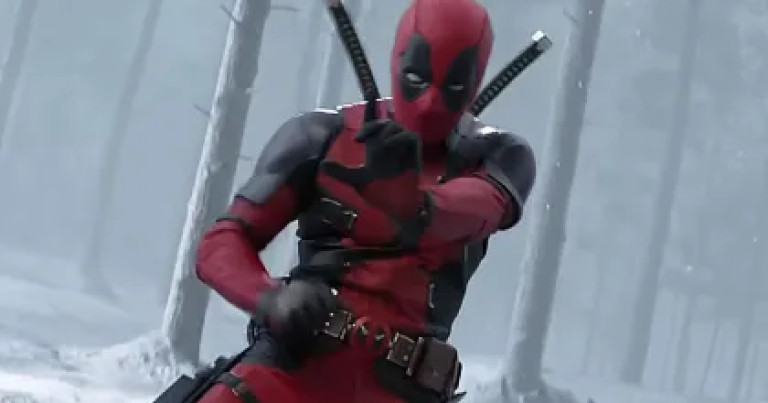
An NSYNC choreographer is suing Sony Music over the licensing of his dance moves in Fortnite and the upcoming Deadpool & Wolverine movie. This lawsuit raises complex questions about intellectual property in the digital age, particularly regarding emotes and their use in popular video games. This article will delve into the details of the lawsuit, its potential implications for Fortnite, and what it means for the future of dance emotes in gaming.
Fortnite Emote Lawsuit: Who’s Suing and Why?
The choreographer, whose name has been withheld in some reports, alleges that Sony Music licensed his choreography without permission for use in a Fortnite emote and in the upcoming Deadpool & Wolverine film. The lawsuit claims copyright infringement, arguing that the dance moves are a unique and original work of art. This is not the first time Fortnite emotes have faced legal challenges, highlighting the complexities of copyright law in the digital realm.
- Lawsuit filed in April 2026.
- Plaintiff alleges copyright infringement.
- Sony Music is the defendant, accused of unauthorized licensing.
- Case involves a Fortnite emote and the Deadpool & Wolverine movie.
- Source: Vandal
The Coreography Copyright Debate
The central issue revolves around whether individual dance moves can be copyrighted and, if so, who owns the rights. While entire choreographed routines can be copyrighted, the legal status of individual moves is less clear. This case could set a precedent for future disputes over emote licensing in Fortnite and other games, potentially impacting how developers create and monetize in-game content. The outcome could significantly affect the creative freedom of game developers and the rights of choreographers.
Implications for Fortnite and the Emote Economy
Fortnite’s success is partly due to its vast collection of emotes, many of which are inspired by popular dances and trends. If the choreographer wins the lawsuit, Epic Games might face pressure to remove the emote from the game and compensate the plaintiff. More broadly, it could lead to stricter licensing agreements for emotes, potentially increasing the cost of creating and offering them to players. This could impact the frequency and variety of new emotes released in the game.
- Potential removal of the emote from Fortnite.
- Increased licensing costs for future emotes.
- Stricter copyright scrutiny of dance moves.
- Impact on the emote economy within Fortnite.
- Could set a precedent for similar cases.
Mastering Fortnite Mechanics Requires Perfect Connection
The lawsuit highlights the growing intersection of entertainment, technology, and law. As Fortnite continues to evolve and incorporate elements from popular culture, legal challenges like this are likely to become more common. The outcome of this case could shape the future of emote licensing and intellectual property rights in the gaming industry. It’s a reminder that even seemingly simple in-game items like emotes can have complex legal implications.
The detailed analysis shows how Fortnite is a game of millimetric precision. But even mastering mechanics, network problems can sabotage perfect executions – your builds might delay, your edits might not confirm at right timing, your peek might be punished before you even see the enemy.
NoPing eliminates these variables across 3,000+ games: Multi-Connection technology reduces lag by up to 80% and eliminates up to 100% of packet loss and jitter. Zero interruption, zero excuses. Your mechanical execution becomes as reliable as your theoretical knowledge.
Already know the theory? Now ensure the practice. Free 7-day trial and discover what it’s like to play Fortnite when complex mechanics work exactly as you planned.
Published by automated system on April 8, 2026 at 8:00 PM